
Introduction
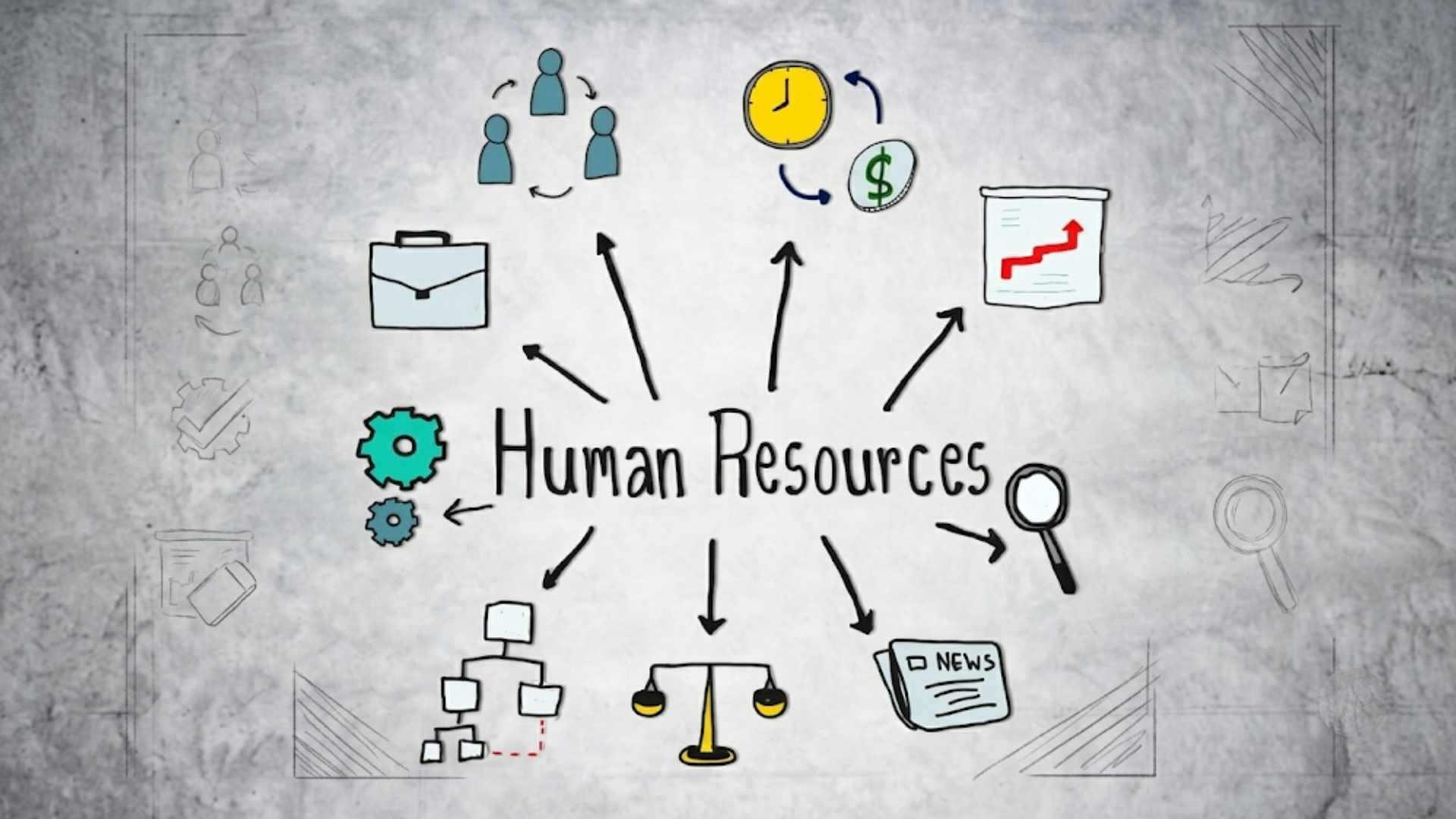
Human resources has evolved far beyond recruitment, payroll, and employee administration. Today, HR professionals play a strategic role in shaping organizational culture, developing talent, supporting leadership, managing change, and contributing to business performance.
As the role of HR continues to expand, professionals need more than practical experience. They also need structured knowledge, recognized credentials, and the ability to apply modern HR practices in increasingly complex workplaces.
This is where HR certification programs can make a difference.
A well-designed HR certification program helps professionals strengthen their technical and strategic capabilities while demonstrating their commitment to continuous development. For organizations, supporting HR certification can help build stronger HR teams and prepare future HR leaders.
Why HR Leadership Matters More Than Ever
Organizations today face challenges that directly involve people. Attracting skilled employees, retaining talent, managing diverse teams, developing leaders, improving employee engagement, and navigating organizational change all require strong HR capabilities.
HR leaders are increasingly expected to work alongside senior management and contribute to strategic decisions.
They may be responsible for:
- Workforce planning
- Talent management
- Leadership development
- Employee engagement
- Performance management
- Organizational development
- Learning and development
- Change management
- HR strategy
- Workplace culture
This broader responsibility requires HR professionals to understand both people management and business strategy.
What Are HR Certification Programs?
HR certification programs are structured professional development programs designed to build and validate knowledge and competencies in human resources.
Depending on the certification, programs may focus on areas such as:
- HR management
- Strategic HR
- Talent management
- Recruitment and selection
- Compensation and benefits
- Learning and development
- Employee relations
- Performance management
- Organizational development
- HR analytics
Certification programs can vary significantly in their requirements, level, duration, and assessment methods. Professionals should therefore select programs that align with their career stage and development objectives.
How HR Certifications Support Career Development
1. Strengthening Professional Knowledge
HR professionals often learn through a combination of education and workplace experience. While practical experience is extremely valuable, structured certification programs provide an opportunity to develop a broader understanding of HR principles.
Participants can gain exposure to areas they may not regularly encounter in their current roles.
For example, an HR professional primarily focused on recruitment may benefit from learning more about workforce planning, performance management, employee engagement, and HR strategy.
This broader knowledge helps professionals prepare for more senior responsibilities.
2. Developing Strategic HR Capabilities
Modern HR leaders need to understand how people strategies connect with organizational objectives.
Certification programs can help professionals develop skills in areas such as:
- Strategic workforce planning
- Business partnering
- Organizational development
- Talent strategy
- Change management
- HR metrics and analytics
These capabilities help HR professionals move from an administrative role toward a more strategic position within the organization.
3. Building Leadership Confidence
Future HR leaders need to influence stakeholders, advise managers, manage difficult situations, and make decisions that affect employees and the wider organization.
Professional development can help build confidence in these areas.
Certification programs often expose participants to workplace scenarios and strategic challenges that encourage them to analyze situations and develop practical solutions.
Preparing HR Professionals for the Future of Work
The workplace continues to change as organizations adopt new technologies, flexible work arrangements, artificial intelligence, automation, and data-driven decision-making.
HR professionals need to understand how these developments affect people and organizations.
Future-focused HR development should include capabilities such as:
Digital HR
HR teams increasingly use technology for recruitment, employee records, learning, performance management, and workforce analytics.
Understanding digital HR tools helps professionals make better use of technology while maintaining a strong focus on the employee experience.
HR Analytics
Organizations have access to more workforce data than ever before.
HR professionals need to understand how data can support decisions related to recruitment, turnover, engagement, performance, and workforce planning.
Change Management
Organizational change can create uncertainty for employees. HR leaders play a critical role in helping organizations communicate change, manage resistance, and support employees throughout transitions.
Employee Experience
Employees increasingly expect meaningful work, development opportunities, effective leadership, and supportive workplace environments.
HR leaders need to understand the factors that influence employee experience and how they affect organizational performance.
Benefits of HR Certification for Organizations
HR certification is not only valuable for individual professionals. Organizations can also benefit from investing in the development of their HR teams.
Stronger Internal HR Capabilities
Certified and professionally developed HR employees can bring structured knowledge and best practices into the organization.
This can strengthen internal capabilities across multiple HR functions.
Better Talent Management
Professionally trained HR teams are better positioned to develop effective approaches to attracting, developing, and retaining talent.
This can help organizations build stronger workforce strategies.
Improved Leadership Pipeline
Organizations need future HR leaders who are prepared to take on greater responsibilities.
Supporting certification and professional development can help identify and prepare high-potential HR professionals for future leadership roles.
Greater Consistency in HR Practices
Structured professional development can help HR teams establish more consistent approaches to areas such as recruitment, performance management, employee relations, and development.
Choosing the Right HR Certification Program
Not every certification program will be suitable for every professional.
Before choosing a program, HR professionals and organizations should consider:
Career Level
An early-career HR professional may need a different certification than an experienced HR manager preparing for a senior leadership role.
Learning Objectives
The program should address specific capabilities the participant wants to develop.
Professional Recognition
Organizations should consider the credibility and recognition associated with the certification or awarding body.
Practical Application
A strong program should connect theory with real workplace situations and provide opportunities to apply learning.
Assessment Requirements
Candidates should understand how their knowledge and competencies will be assessed and what is required to successfully complete the certification.
HR Certification Should Be Part of a Larger Development Strategy
A certification can provide valuable knowledge and recognition, but it should not be treated as the only form of professional development.
The strongest HR development strategies combine:
- Formal certification
- Workplace experience
- Mentoring
- Coaching
- Leadership development
- Continuous learning
- Exposure to strategic projects
This combination allows HR professionals to translate knowledge into practical capability.
Building a Pipeline of Future HR Leaders
Organizations that want strong HR leadership in the future need to begin developing talent today.
A structured HR development strategy can identify employees with leadership potential and provide them with opportunities to develop the required capabilities.
This may involve creating development pathways that include:
HR Fundamentals → Professional Certification → Specialist Skills → Strategic HR Experience → Leadership Development
Such pathways help organizations create a more sustainable approach to succession planning and leadership development.
How Solomon People Solutions Supports HR Capability Development
At Solomon People Solutions, we support organizations and HR professionals through training and development solutions designed to strengthen workplace capabilities.
Our approach focuses on practical learning, professional development, and the skills required to perform effectively in modern organizations.
HR development can cover a broad range of areas, including:
- Human resources management
- Strategic HR
- Talent management
- Leadership development
- Employee relations
- Learning and development
- Performance management
By investing in structured HR development, organizations can strengthen their internal HR capabilities and prepare professionals for increasingly strategic roles.
Conclusion
HR professionals are becoming increasingly important to organizational success. As businesses navigate changing workforce expectations, technological developments, and complex people challenges, they need HR leaders who can think strategically and act effectively.
HR certification programs provide a structured way for professionals to strengthen their knowledge, develop new capabilities, and demonstrate their commitment to professional growth.
For organizations, investing in HR certification can contribute to stronger HR teams, better talent strategies, and a more capable leadership pipeline.
The future of HR will require professionals who understand both people and business. Developing those professionals today is one of the most effective ways organizations can prepare for tomorrow.
